

Inside the Shoe Factory
Introduction: The Heartbeat of Footwear Production
Every step we take is supported by the ingenuity and craftsmanship of shoe factories worldwide. These bustling hubs of creativity and precision are where raw materials are transformed into the shoes that adorn our feet, combining functionality, style, and durability. In this blog, we venture into the world of shoe factories, uncovering the intricate processes, innovative techniques, and unwavering dedication that go into creating the footwear we love.
The Foundation of Shoe Factories: Tradition and Innovation
Shoe factories are the embodiment of tradition meeting innovation. Rooted in centuries-old craftsmanship, they have evolved to embrace modern technologies and techniques and making sure that each pair of shoe meets the highest standards of quality and comfort. Whether it's handcrafted leather boots or mass-produced sneakers, shoe factories blend time-honored techniques with cutting-edge advancements to deliver footwear that looks good but also feels great.
From Design to Production: The Journey of a Shoe
The journey of a shoe begins long before it takes shape on the factory floor. It starts with a concept – a vision of design, functionality, and style. Designers meticulously sketch out ideas, drawing inspiration from trends, customer feedback, and cultural influences. Once a design is finalized, it moves to the prototyping stage, where samples are created and tested for fit, comfort, and performance.
With the prototype approved, the manufacturing process kicks into high gear. First, materials are sourced – leather, rubber, fabric, and other components that form the foundation of the shoe. These materials are then cut, shaped, and assembled according to the design specifications. Skilled craftsmen and advanced machinery work in tandem, combining traditional techniques like stitching and lasting with modern innovations like automated cutting and molding.
Innovation in Shoe Manufacturing: Pushing the Boundaries
In recent years, the shoe manufacturing industry has seen a wave of innovation, driven by advancements in materials, processes, and sustainability. From 3D printing and robotics to eco-friendly materials and customizable designs, manufacturers are pushing the boundaries of what is possible in shoemaking.
One area of innovation is in the development of sustainable materials. With growing concern over environmental issues, shoe manufacturers are increasingly turning to eco-friendly alternatives to traditional materials like leather and rubber. Recycled plastics, organic cotton, and plant-based materials are just a few examples of sustainable options being explored by manufacturers.
Another area of innovation is in the realm of customization. With advances in technology, manufacturers can now offer customers the ability to personalize their shoes, choosing everything from colors and materials to fit and style. Customization not only enhances the customer experience but also reduces waste by producing shoes on-demand, eliminating the need for excess inventory.
Quality Control: Ensuring Excellence Every Step of the Way
Ensuring quality is paramount in shoe manufacturing, where even the slightest defect can affect comfort, performance, and durability. To maintain quality standards, manufacturers implement rigorous quality control measures throughout the production process.
Inspection checkpoints are set up at various stages of production, where trained inspectors carefully examine each shoe for defects, imperfections, and inconsistencies. From stitching and bonding to fit and finish, every aspect of the shoe is scrutinized to ensure it meets the highest standards of quality and craftsmanship.
In addition to manual inspections, manufacturers also utilize advanced testing equipment to assess the performance of shoes under various conditions. This includes tests for durability, flexibility, traction, and water resistance, among others. By subjecting shoes to rigorous testing, manufacturers can identify and address any issues before they reach the hands (or feet) of consumers.
The Human Touch: Celebrating Craftsmanship
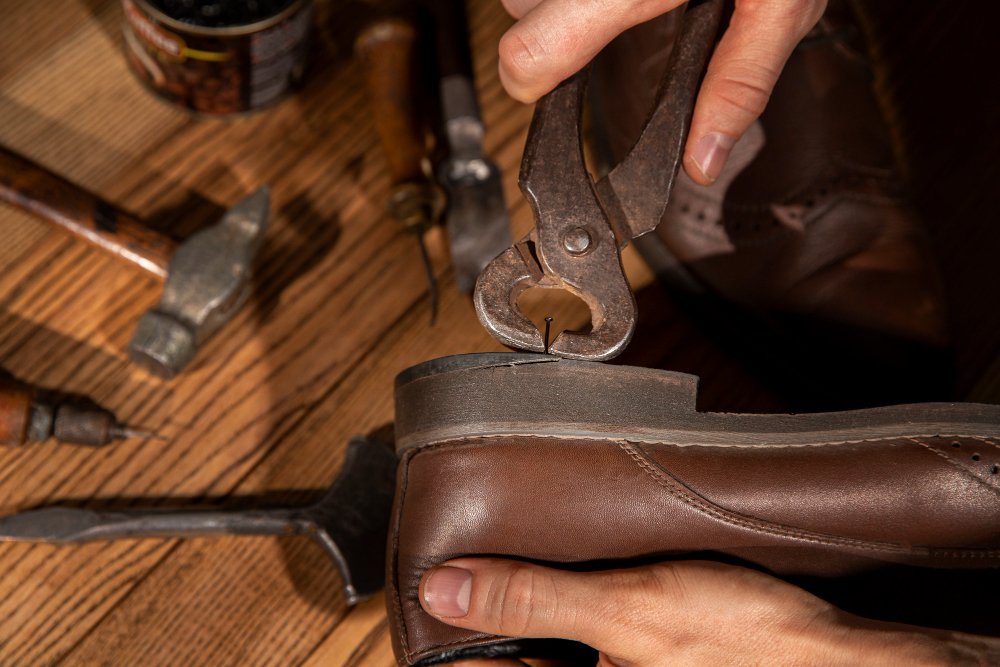
At the heart of every shoe factory is its workforce – the skilled craftsmen and women who bring designs to life with their hands and expertise. These artisans, often trained in the art of shoemaking from a young age, possess an intimate understanding of materials, techniques, and traditions passed down through generations.
Their dedication and passion infuse each pair of shoes with a sense of character and soul, transforming them from mere objects into works of art. From the precise stitching of leather uppers to the careful lasting and finishing of soles, every step of the shoemaking process is a testament to their skill and craftsmanship.
The Future of Shoe Factories: Trends and Outlook
Looking ahead, the future of shoe factories is filled with exciting possibilities. As technology continues to advance, we can expect to see further innovations in materials, processes, and customization options. From sustainable materials and 3D printing to personalized designs and on-demand manufacturing, the future of shoe factories is poised to be both sustainable and customer-centric.
Moreover, as consumer awareness of social and environmental issues grows, we can expect to see increased demand for ethically sourced and environmentally friendly footwear. Manufacturers will need to adapt to these changing preferences by embracing sustainable practices, transparent supply chains, and responsible manufacturing processes.
In conclusion, shoe factories are more than just places where shoes are made – they are the embodiment of craftsmanship, innovation, and tradition. From the design phase to the production line, every step of the process requires skill, precision, and attention to detail. As technology continues to evolve and consumer preferences change, manufacturers must adapt and innovate to stay ahead of the curve. By embracing sustainability, customization, and quality, the future of shoe factories is bright and promising.