

Innovation Behind Shoe Manufacturing
Introduction: The Craftsmanship Behind Every Pair
Shoes are more than footwear; they reflect craftsmanship, innovation, and style. Behind every pair lies a story of meticulous design, precision engineering, and skilled craftsmanship. This blog delves into the fascinating world of shoe manufacturing, exploring the artistry, technology, and innovation of creating the shoes we wear daily.
The Evolution of Shoe Manufacturing
Shoe manufacturing dates back thousands of years, with early civilizations crafting rudimentary footwear from natural materials like leather, wood, and plant fibers. Over time, as civilizations advanced, so too did shoe manufacturing techniques. From handcrafted sandals to mass-produced sneakers, the industry has evolved remarkably, driven by technological advancements and changing consumer preferences.
The Shoe Manufacturing Process: From Concept to Creation
The journey of a shoe begins long before it reaches the shelves of a store. It starts with a concept – a vision of design, functionality, and aesthetics. Designers sketch ideas, taking inspiration from trends, cultural influences, and customer feedback. Once a design is finalized, it moves to the prototyping stage, where samples are created and tested for fit, comfort, and performance.
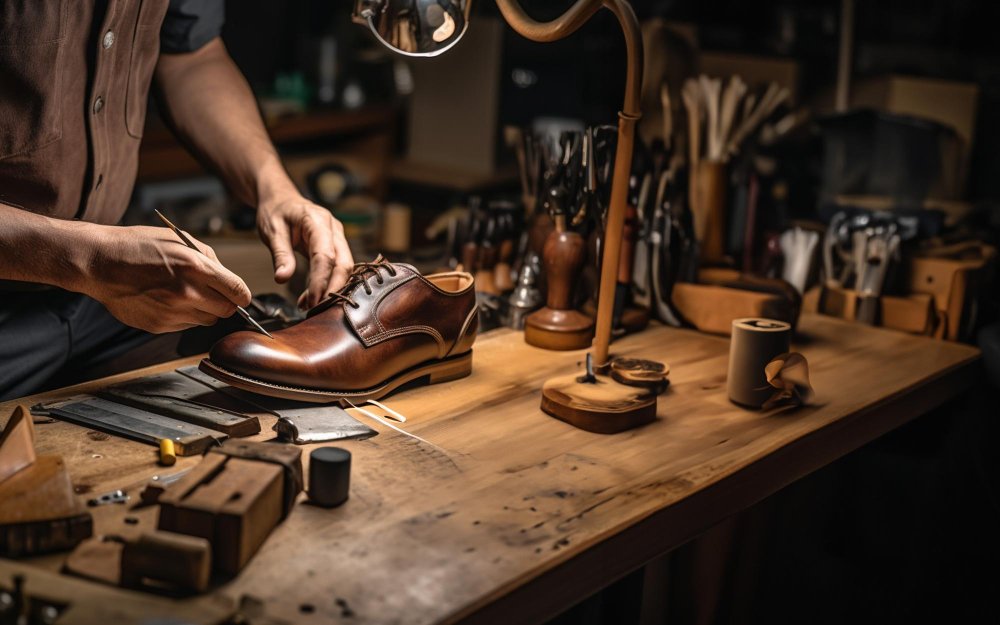
Once the prototype is approved, the manufacturing process begins in earnest. First, materials are sourced – leather, fabric, rubber, and other components that will form the building blocks of the shoe. These materials are then cut, shaped, and assembled according to the design specifications. Skilled artisans and modern machinery combine traditional techniques with cutting-edge technology to bring the design to life.
Innovation in Shoe Manufacturing
In recent years, the shoe manufacturing industry has seen a wave of innovation driven by materials, processes, and sustainability advancements. From 3D printing and robotic automation to eco-friendly materials and customizable designs, manufacturers are pushing the boundaries of what is possible in shoe manufacturing.
One area of innovation is in the development of sustainable materials. With growing concern over environmental issues, shoe manufacturers increasingly turn to eco-friendly alternatives to traditional materials like leather and rubber. Recycled plastics, organic cotton, and plant-based materials are just a few examples of sustainable options being explored by manufacturers.
Another area of innovation is in the realm of customization. With technological advances, manufacturers can now offer customers the ability to personalize their shoes, choosing everything from colors and materials to fit and style. Customization enhances the customer experience and reduces waste by producing shoes on demand, eliminating the need for excess inventory.
The Role of Technology in Shoe Manufacturing
Technology plays a crucial role in every step of the shoe manufacturing process. From design and prototyping to production and distribution, manufacturers rely on various technologies to streamline operations, improve efficiency, and enhance quality.
Computer-aided design (CAD) software allows designers to create detailed 3D models of shoes, enabling them to visualize designs and make adjustments before production begins. Rapid prototyping technologies like 3D printing allow manufacturers to quickly create physical prototypes for testing and validation, reducing time-to-market and minimizing waste.
Automation and robotics play a significant role in speeding up production and improving consistency in the production phase. Automated cutting machines precisely cut materials to the dimensions specified in the design, while robotic assembly lines can efficiently assemble components and stitch seams with unparalleled accuracy.
Quality Control in Shoe Manufacturing
Quality is paramount in shoe manufacturing; even the slightest defect can affect comfort, performance, and durability. Manufacturers implement rigorous quality control measures throughout the production process to maintain quality standards.
Inspection checkpoints are set up at various stages of production, where trained inspectors carefully examine each shoe for defects, imperfections, and inconsistencies. From stitching and bonding to fit and finish, every aspect of the shoe is scrutinized to ensure it meets the highest standards of quality and craftsmanship.
In addition to manual inspections, manufacturers also utilize advanced testing equipment to assess the performance of shoes under various conditions. This includes tests for durability, flexibility, traction, and water resistance. By subjecting shoes to rigorous testing, manufacturers can identify and address any issues before they reach consumers' hands (or feet).
The Future of Shoe Manufacturing: Trends and Outlook
The future of shoe manufacturing is filled with exciting possibilities. As technology advances, we can expect further innovations in materials, processes, and customization options. From sustainable materials and 3D printing to personalized designs and on-demand manufacturing, the future of shoe manufacturing is poised to be both sustainable and customer-centric.
Moreover, as consumer awareness of social and environmental issues grows, we expect increased demand for ethically sourced and environmentally friendly footwear. Manufacturers must adapt to these changing preferences by embracing sustainable practices, transparent supply chains, and responsible manufacturing processes.
In conclusion, shoe manufacturing is a complex and multifaceted industry combining artistry, innovation, and technology to create the footwear we wear daily. Every process step, from the design phase to the production line, requires skill, precision, and attention to detail. As technology evolves and consumer preferences change, manufacturers must adapt and innovate to stay ahead. By embracing sustainability, customization, and quality, the future of shoe manufacturing is bright and promising.